Why Photography Equipment Matters for Creators
Photography is one of the most accessible content formats for creators today. Whether you are producing portrait photography, product shots, lifestyle content, or educational material, the right setup can dramatically improve your content quality and audience engagement. On Vaultiyo, creators monetize their photography content through subscriptions, earning 90% of revenue while the platform keeps just 10%, making professional quality even more valuable for your earning potential.
The key challenge many creators face is balancing quality with budget. You do not need £10,000 in equipment to start producing professional looking images. Modern smartphones, affordable lighting solutions, and budget friendly editing software can deliver exceptional results. This guide walks you through every aspect of building a photography setup that matches your budget and content goals.
Camera Choices: From Smartphone to Mirrorless
Your camera is the foundation of your photography setup. The good news? You likely already own a capable camera in your pocket. Modern smartphones from Apple, Google, Samsung, and OnePlus deliver stunning image quality that rivals much more expensive equipment just a few years ago.
Smartphone Photography remains the most accessible option. iPhone 14 Pro, iPhone 15, and flagship Android devices shoot in ProRAW, offer computational photography features, and include multiple lens perspectives. The advantages are clear: no learning curve if you already use your phone, always with you, excellent low light performance, and instant editing with apps like Snapseed or Lightroom Mobile. Many successful creators on Vaultiyo build their entire presence on smartphone photography.
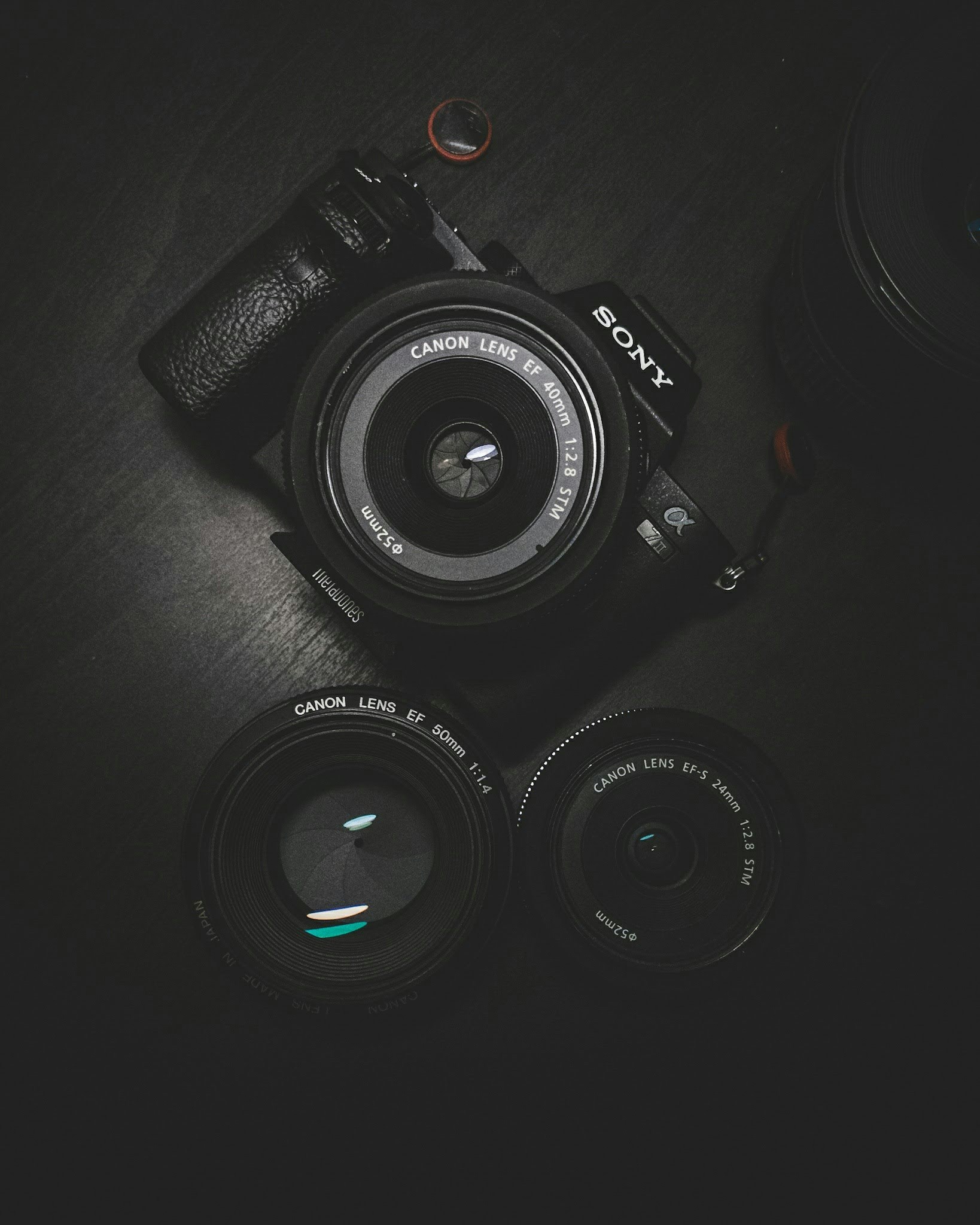
Entry Level Mirrorless Cameras (£400-800) like the Sony ZV-E1, Canon EOS R50, or Nikon Zfc provide better manual controls, interchangeable lenses, and larger sensors than phones. These offer superior autofocus tracking, better optical zoom, and the ability to use professional lenses as your skills and budget grow. They are ideal if you want to explore different focal lengths and develop more advanced photography techniques.
DSLR Alternatives can be excellent value on the used market. Canon EOS 90D or Nikon D7500 bodies, often found for £300-600 used, deliver professional results at a fraction of new prices. The trade off is larger, heavier gear and a steeper learning curve around autofocus systems designed for video.
Budget Professional Mirrorless (£1,500-2,500) like Sony A6700 or Fujifilm X-S20 represent the sweet spot for serious creators wanting room to grow. You get excellent autofocus, video capability, compact size, and access to the widest lens ecosystem.
Lighting Setup for Professional Results
Lighting is the single biggest factor in image quality after you choose your camera. Professional photographers say "You do not need an expensive camera. You need good light." This is the element that separates amateur and professional photography more than any other factor.
Natural Lighting is free and produces beautiful results. A window providing soft, directional light is often your best option for portraits and product photography. Shoot in the golden hours (first hour after sunrise, last hour before sunset) for warm, flattering light. Use white surfaces, foam boards, or reflectors to bounce light back into shadow areas. A simple 5-in-1 reflector kit (£10-20) is a game changer for minimal investment.
Ring Light Setup (£25-80) produces that distinct, professional look popular for beauty, makeup, and YouTube content. Ring lights offer even, shadow free lighting and provide a catch light that looks great in portraits. The downside is they create very flat images if used alone without modifiers. Pair with a key light for more dimension.
Softbox Kits (£50-200) offer more control than ring lights. A basic two light kit with softboxes, stands, and a key light produces news studio or YouTube creator aesthetic. The soft, diffused light is extremely flattering for most content types. Add a reflector or fill light to balance shadows. This setup scales up with you as you grow.
Professional Studio Lighting (£500+) includes continuous lights, strobes, modifiers, and stands for maximum flexibility. Godox SL-60W or similar LED panels offer better color accuracy and power than budget softboxes. Reserve this investment for when you are producing content frequently and need consistent results across many shoots.
Backgrounds and Staging Your Space
Your background makes or breaks the composition. A cluttered, distracting background immediately reads as amateur. A clean, intentional background communicates professionalism within seconds.
White Wall or Backdrop is the simplest option. A white wall in your home, painted piece of plywood, or affordable backdrop fabric (£15-50) creates a clean canvas that focuses attention on your subject. White backgrounds also simplify editing and work for almost every content category.
Colored Backdrops add personality and brand consistency. Deep charcoal, forest green, deep blue, or black backdrops work wonderfully with neon or gold accent lighting. Choose colors that complement your brand and content style. Backdrop stands (£30-80) let you position your background cleanly without wall damage.
Textured Backgrounds like brick, wood, or fabric add depth. A feature wall, wood panel, or patterned backdrop fabric introduces visual interest without overwhelming your subject. Avoid busy patterns that compete with your product or person.
Environmental Backdrops mean using your actual location as the background. Outdoor shoots with trees, water, architecture, or urban scenes add authenticity. This requires no additional equipment but demands more attention to lighting angles and time of day.
Editing Software and Post Production Workflow
Editing can seem intimidating, but modern software makes professional results accessible. The right editing process can take good images and make them great, creating a cohesive visual style across your portfolio.
Adobe Lightroom (£9.99/month or included in Creative Cloud) is the industry standard for photographers. Lightroom excels at batch editing similar images, organizing large shoots, and applying consistent color grading. The adjustment workflow is intuitive and the results are professional. Start with Lightroom if you want industry standard tools and do not mind monthly costs.
Capture One (£12.99/month) offers superior color science and tethering support for studio photographers. It is excellent if you use Fujifilm, DJI, or Phase One cameras. The learning curve is steeper than Lightroom but the results justify the effort for serious photographers.
Adobe Creative Cloud (£54.99/month) bundles Lightroom, Photoshop, and Bridge for a complete creative suite. If you need advanced retouching, composite creation, or design work alongside photography, this is essential. Most professional photographers use Creative Cloud at some point in their career.
Free and Open Source Options exist if budget is limited. Darktable is a free Lightroom alternative with similar functionality. Photopea is a free browser based Photoshop alternative. GIMP offers free Photoshop like capabilities. These options have steeper learning curves but deliver professional results.
Mobile Editing via Lightroom Mobile, Snapseed, or VSCO allows editing anywhere with your smartphone. This is perfect for quick edits before uploading to Vaultiyo or other platforms. Mobile editing is becoming more powerful annually.
Building Your Complete Setup on Different Budgets
Let us build realistic setups at different price points so you understand what to expect and can choose what fits your situation.
Minimal Setup (Under £200): Use your smartphone camera, shoot in natural window light, use a white wall or simple backdrop fabric, and edit on your phone with free or subscription mobile apps. This costs nearly nothing beyond your phone and internet. Thousands of creators start here and build substantial audiences. Focus on consistent posting and audience engagement rather than gear.
Beginner Setup (£500-800): Upgrade to a £200-400 entry mirrorless camera like Sony ZV-E1, add a £50-100 affordable ring light or softbox, invest in a £30-50 backdrop kit, and use Lightroom Mobile (free) or purchase Lightroom Classic (£9.99/month). This setup handles most content types and provides room to learn photography fundamentals without overwhelming investment.
Enthusiast Setup (£1,500-2,500): Purchase a £800-1,200 mid range mirrorless camera like Sony A6400, invest £300-500 in solid lighting including key light and fill light with softboxes, add a proper backdrop system (£80-150), tripod with fluid head (£150-300), and Adobe Creative Cloud subscription (£54.99/month). This professional level setup produces broadcast quality imagery and scales with your growing audience and income.
Professional Setup (£5,000+): Invest in full frame camera like Sony A7R V (£3,500), professional lighting array with strobes or high output continuous lights, dedicated studio space with multiple backdrop options, full Creative Cloud access, and professional hosting for your portfolio. This represents serious investment reserved for creators generating substantial income or running content agencies.
Consistency Workflow and Technical Settings
Beyond equipment, creating professional looking content requires consistent technical approach. Inconsistent white balance, exposure, or composition across your portfolio reads as amateur. Establish a workflow that delivers consistent results.
White Balance and Color Grading: Lock your camera white balance to daylight or custom rather than auto. This prevents images shot under similar lighting from having wildly different color temperatures. In Lightroom, use the white balance selector to nail accurate color in one image, then sync those settings across your entire shoot. Consistency matters more than perfect color.
Exposure and Composition: Overexpose slightly rather than underexposing. Smartphones already compress highlights aggressively. Pull back about one third of a stop from blown highlights in your camera. Use the same composition framing rules (rule of thirds, leading lines, negative space) across your portfolio. Repetition builds recognition.
Lens Selection: Choose 2-3 focal lengths and commit to them. Most creators use 35mm and 85mm equivalent focal lengths for portraits, and 24mm for environmental shots. Having a consistent focal length across similar content (like creator headshots) helps your audience recognize cohesion in your work.
Metadata and Organization: Tag, rate, and organize images in Lightroom as you shoot rather than sorting hundreds of images later. Create presets for your shooting scenarios so editing is 10 minutes rather than 30. A professional workflow saves hours monthly.
Investment ROI: When Equipment Pays for Itself
The question every creator asks: will better equipment actually earn me more money? The answer is nuanced but generally yes, with caveats.
On Vaultiyo's 90/10 creator commission model, higher image quality directly improves subscriber conversion, subscriber retention, and average subscription value. A creator earning £500/month from a smartphone quality portfolio might earn £1,500-2,000/month with professional gear and consistent editing, depending on content category and audience size. That productivity gain easily justifies £1,500-2,500 equipment investment recovering within a few months.
However, this assumes your content strategy, posting consistency, community engagement, and promotional efforts remain constant. Gear alone does not guarantee income growth. Pair equipment investment with audience development strategy, authentic connection with your community, and consistent, high volume posting. The best gear in the world does not overcome poor content strategy.
Moving Forward: Sustainable Growth
Build your photography setup methodically. Start with what you have. Shoot consistently. Learn your camera thoroughly. Develop a cohesive visual style. Only upgrade equipment when current limitations prevent you from capturing your vision. Most creators succeed by mastering fundamentals before investing in advanced gear.